Words matter more than we often realize. Small phrases like for instance may seem harmless, but when you repeat them too much, your writing and speech can feel boring, mechanical, or weak.
I noticed this myself when I reread one of my articles and saw the same phrase again and again. It did not sound natural. It did not sound confident.
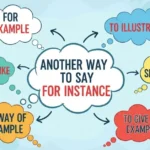
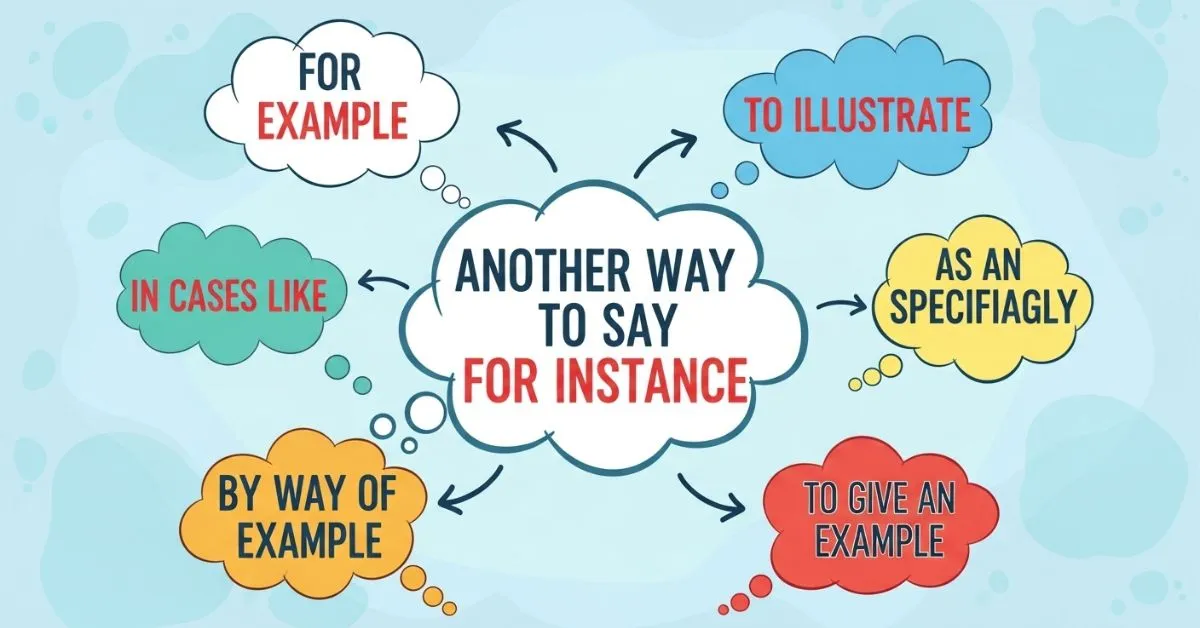
That moment pushed me to explore another way to say for instance.
If you are writing a blog post, sending an email, teaching students, chatting with friends, or improving your spoken English, using different expressions helps your message feel fresh and clear. It also makes you sound more fluent and professional.
In this guide, I will share practical, creative, and easy alternatives based on different situations, so you always know what to say and when to say it.
Formal and Professional Writing: Using Another Way to Say For Instance at Work
In professional writing, clarity and tone are very important. Repeating the same phrase can reduce your authority and make your writing feel lazy. These alternatives help you sound polished and confident in emails, reports, proposals, and academic work.
• for example
• such as
• one example is
• a clear example is
• a typical case is
• to illustrate
• to give an example
• in particular
• namely
• especially
• in this case
• as shown by
• as demonstrated by
• consider the case of
• an instance of this is
• a notable example is
• one clear illustration is
• to clarify this point
• a practical example is
• a relevant case is
• a specific example would be
These phrases work best when you want to explain ideas clearly and professionally without sounding repetitive.
Academic and Educational Writing: Explaining Ideas to Students
Teachers, students, and researchers often need to explain concepts step by step. Using varied language keeps learners focused and makes lessons easier to understand.
• to explain this
• to show this clearly
• one way to see this is
• a simple illustration is
• consider this example
• a common case is
• this can be seen in
• a good illustration of this is
• let us consider
• one clear case involves
• to make this clear
• one situation shows
• a helpful example is
• in a learning context
• from this case
• a basic case is
• a real-world example is
• this is evident in
• one study shows
• a key example includes
These alternatives support learning without overwhelming the reader.
Business and Corporate Communication: Sounding Confident and Clear
In business settings, your words can affect trust and decisions. Clear examples help others understand your ideas quickly.
• one business case is
• a real scenario is
• in practice
• in a workplace setting
• a common situation is
• one client example is
• a recent case shows
• in daily operations
• from experience
• in this scenario
• one proven case is
• a successful example is
• in similar situations
• one project shows
• a market example is
• from a business view
• a practical case involves
• one observed case is
• a company example is
• in real operations
These phrases fit well in meetings, presentations, and reports.
Everyday Conversations and Casual Writing: Natural and Friendly Options
In daily life, people do not speak like textbooks. Casual alternatives make your speech sound relaxed and human.
• like
• let’s say
• say you have
• think about
• you know how
• imagine this
• take this situation
• picture this
• here’s one case
• suppose
• just like
• one situation is
• in real life
• something like
• as in
• consider this
• for one thing
• here’s a situation
• let me explain with
• a good case is
• to put it simply
These phrases work well in conversations, comments, and social media posts.
Storytelling and Blogging: Keeping Readers Engaged
Good stories need smooth transitions. These alternatives help you guide readers without breaking the flow.
• picture this
• imagine a moment when
• let me show you
• here’s what happened
• think of a time when
• consider this moment
• let’s look at a situation
• here’s a real example
• think back to when
• let’s walk through this
• one moment that stands out
• here’s a simple scene
• imagine facing this
• here’s a relatable moment
• consider this experience
• one story shows
• let me share a case
• here’s how it looks
• think about this moment
• let’s explore this idea
These make blogs feel personal and engaging.
Creative and Emotional Writing: Adding Warmth and Personality
Sometimes you want your message to touch emotions. These phrases add warmth, creativity, and connection.
• let me paint a picture
• imagine a world where
• think of a feeling when
• here’s a moment we all know
• consider a familiar scene
• picture yourself in this
• imagine dealing with this
• let’s explore a feeling
• here’s a human moment
• think about how it feels
• let me tell you a story
• here’s something relatable
• imagine this happening
• think of a quiet moment
• here’s a shared experience
• let’s step into this scene
• consider this emotional moment
• picture this experience
• imagine this situation
• think of a real feeling
These options work well in motivational or reflective writing.
Short and Quick Alternatives: Fast and Simple Communication
Sometimes you need speed. These short forms are great for texts, notes, and quick explanations.
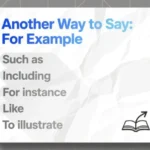
• like
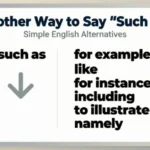
• such as
• say
• eg
• one is
• example
• case in point
• this case
• consider
• imagine
• one way is
• one case
• this includes
• mainly
• especially
• in cases like
• including
• among them
• one option is
• typically
They save time while keeping meaning clear.
Spoken English and Presentations: Sounding Smooth and Natural
When speaking, you need phrases that flow easily and feel natural.
• let me give you an example
• think about this
• here’s one situation
• imagine this for a moment
• let’s say this happens
• consider this case
• here’s a simple example
• one way to look at it is
• let me explain with a case
• picture this situation
• think of it this way
• here’s how it works
• one real case is
• consider this moment
• here’s a quick example
• let’s break it down
• think about a time when
• one situation shows
• here’s a clear case
• let me show you
These help you speak confidently without sounding scripted.
Tips for Using Another Way to Say For Instance Effectively
• Match your phrase with your tone and audience
• Avoid repeating the same alternative too often
• Use short phrases for quick talks and longer ones for explanations
• Choose creative options when telling stories
• Practice using new phrases in daily speech
Small changes can make a big difference.
Conclusion: Say More by Saying It Differently
Learning another way to say for instance is not about using fancy words. It is about sounding natural, confident, and clear. When you expand your vocabulary, your ideas become easier to understand and more enjoyable to read or hear.
Try using a few of these alternatives in your next conversation, email, or blog post. Over time, they will feel natural and effortless.
Which alternative will you try first?

Charles Dickens is a passionate writer with 6 years of experience, specializing in English grammar and writing tips. He shares practical advice, engaging tutorials, and language insights on Responsze.com, helping readers improve their writing skills and master clear, effective communication every day.